

1. Before use, carefully inspect the tool: the exterior should be free of damage, the switch should operate smoothly without sticking, and the power cord and tool casing must be intact. Use a 500V megohmmeter to measure the insulation resistance between the windings and the casing; the value must not be lower than 0.5 MΩ (refer to the attached table for specific resistance values).
2. Handheld power tools with metal casings must have a reliable protective grounding wire. The power cord must be a multi-core flexible rubber-sheathed cable, and the grounding wire must be securely connected at both ends.
3. Handheld power tools should be operated by designated personnel possessing the necessary professional knowledge. Relevant safety operating procedures must be strictly observed during use.
4. Before use, verify that all electrical and mechanical protective devices are intact and functioning correctly.
Also, ensure that rotating parts move freely without binding or jamming.
5. When using Class I handheld power tools, the operator must wear prescribed protective gear and utilize compliant protective equipment. Appropriate safety measures against electric shock must be implemented; for example, a residual current device (RCD) should be installed in the power circuit, or the operator should wear insulating gloves and shoes or stand on an insulating mat.
When using Class II handheld power tools in damp or confined spaces, an RCD must be installed with an operating current of less than 1.5 mA and an actuation time of 0.1 seconds or less. Additionally, the RCD unit should be placed inside a protective enclosure and monitored by a designated person.
6. Occupational hazards associated with handheld power tools: Hand-arm vibration syndrome-caused by long-term exposure to hand-transmitted vibration-was classified as a statutory occupational disease in my country as early as 1957. Also known as "local vibration disease," it typically manifests as episodic "white finger" (blanching of the fingers).
Guidelines for the Use of Power Tools
Previous
Working Principles of Power ToolsPopular Products
-
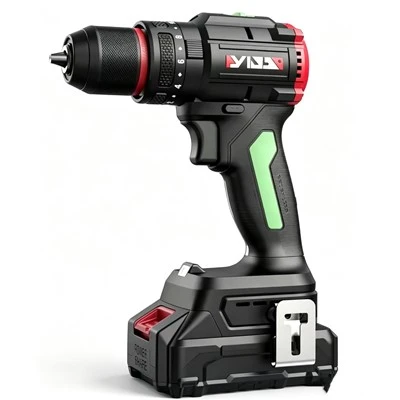
![20V Brushless Cordless Drill]() 20V Brushless Cordless Drill20V Brushless Cordless Drill for frequent brushless drilling and production fastening. Review drilling capacity,...read more
-
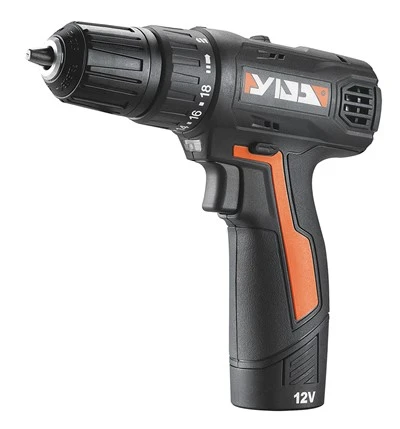
![12V Cordless Drill]() 12V Cordless Drill12V Cordless Drill for compact pilot drilling and light fastening. Review drilling capacity, chuck interface, speed...read more
-
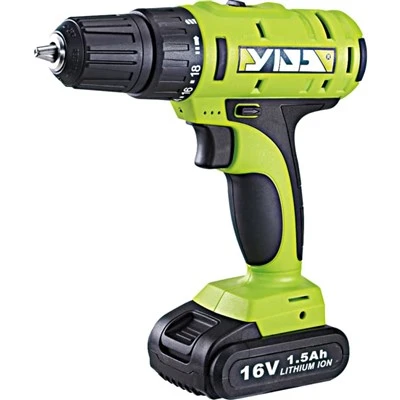
![16V Cordless Drill]() 16V Cordless Drill16V Cordless Drill for balanced cordless drilling for interior fit-out. Review drilling capacity, chuck interface,...read more
-
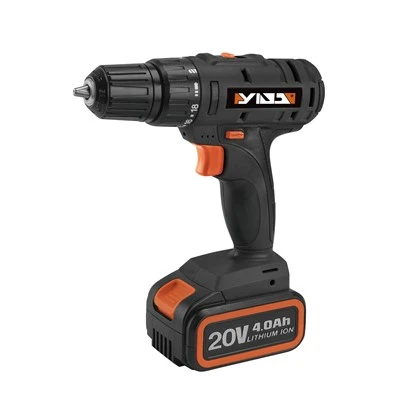
![20V Cordless Drill]() 20V Cordless Drill20V Cordless Drill for general jobsite drilling and assembly. Review drilling capacity, chuck interface, speed...read more
Send Inquiry