

They feature a lightweight, compact design with low vibration and noise levels; they operate smoothly, are easy to control and handle, are convenient to carry and use, and are rugged and durable. Compared to manual tools, they can increase labor productivity several-fold to dozens of times over; compared to pneumatic tools, they offer higher efficiency, lower costs, and easier control.
High Efficiency: Compared to manual tools, they can boost labor productivity by several to dozens of times, saving both time and effort.
Portable and Easy to Operate: Lightweight and compact, they offer smooth operation and are easy to carry and control with one hand.
Versatile Functionality: By swapping attachments, a single tool body can perform various tasks-such as drilling, grinding, cutting, and fastening-covering a wide range of applications.
Diverse Power Sources: Available in two main categories: corded (AC power) and cordless (lithium-ion battery). Cordless models eliminate the constraints of power cords, making battery life and power output key factors when purchasing.
Clear Safety Classification: Classified into Classes I, II, and III based on electric shock protection design. Class II tools feature double insulation and are the most common type for home use, while Class III tools operate on safe low voltage.
Characteristics of Power Tools
Popular Products
-
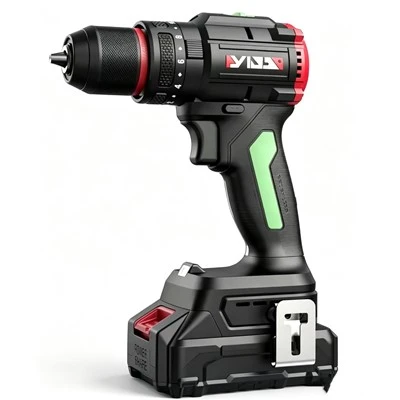
![20V Brushless Cordless Drill]() 20V Brushless Cordless Drill20V Brushless Cordless Drill for frequent brushless drilling and production fastening. Review drilling capacity,...read more
-
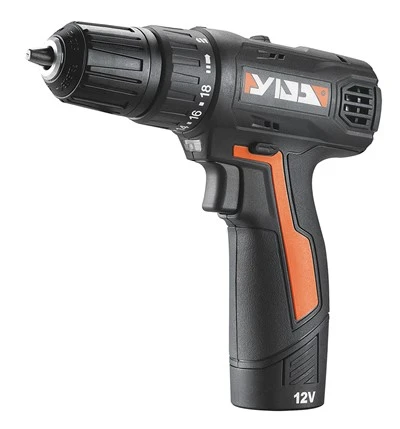
![12V Cordless Drill]() 12V Cordless Drill12V Cordless Drill for compact pilot drilling and light fastening. Review drilling capacity, chuck interface, speed...read more
-
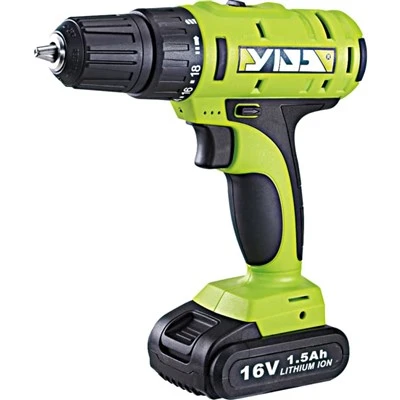
![16V Cordless Drill]() 16V Cordless Drill16V Cordless Drill for balanced cordless drilling for interior fit-out. Review drilling capacity, chuck interface,...read more
-
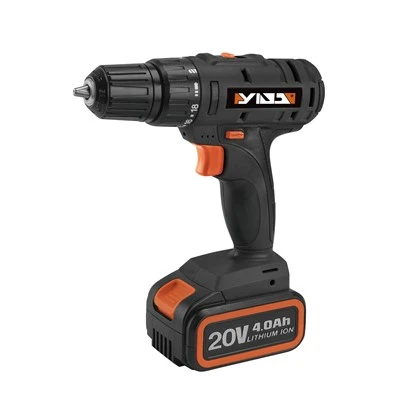
![20V Cordless Drill]() 20V Cordless Drill20V Cordless Drill for general jobsite drilling and assembly. Review drilling capacity, chuck interface, speed...read more
Send Inquiry