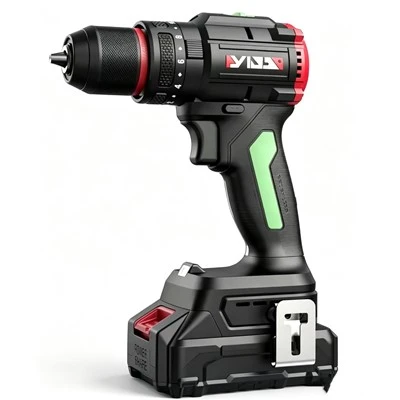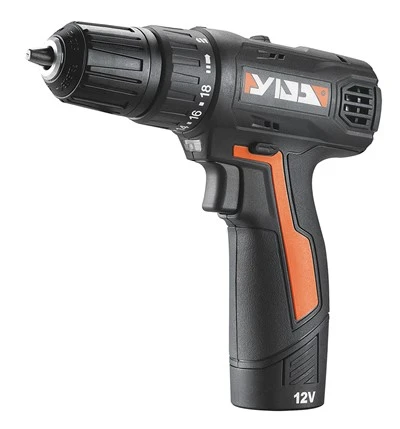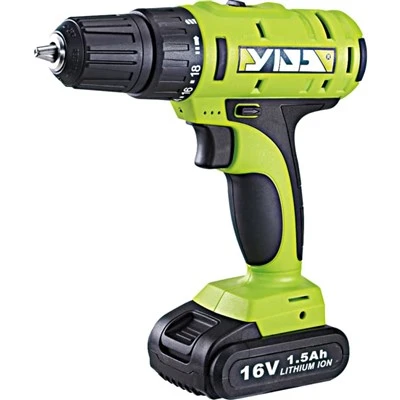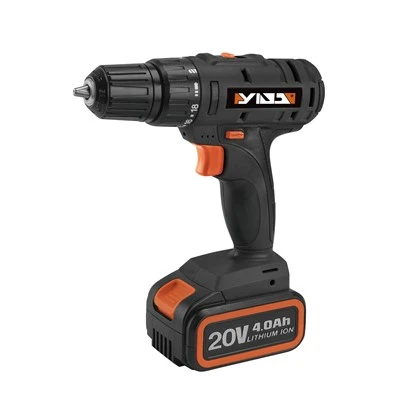

The core mechanism of a rotary hammer is "rotation plus impact." It typically features an internal electromagnetic clutch or hydraulic cushioning system; while the motor drives the bit to rotate, a mechanical assembly generates high-frequency axial impact force. This design allows the rotary hammer to efficiently drill into hard materials like concrete and brickwork while also performing light chiseling tasks, making it widely used in home renovations, plumbing and electrical installations, and light construction maintenance. In contrast, a demolition hammer operates on the principle of "pure impact" or "high-energy impact." It eliminates the rotation function (or relegates it to a merely auxiliary role) to concentrate all energy into a single, powerful axial blow. Demolition hammers deliver far greater impact force than rotary hammers and are primarily used for heavy-duty breaking and demolition-such as breaking up road surfaces, demolishing entire walls, or cutting channels-making them unsuitable for precision drilling tasks.
Regarding performance specifications, rotary hammers typically feature higher rotational speeds to facilitate debris removal and drilling efficiency, whereas demolition hammers have a lower impact frequency but deliver immense force per blow. Industry standards dictate a clear distinction in tool selection: a rotary hammer is essential for drilling holes for expansion bolts or cable conduits, while a demolition hammer is required for breaking up concrete floors or demolishing load-bearing walls. Operational safety is also critical; rotary hammers offer more stable control over reaction forces, making them suitable for prolonged, precise work. Demolition hammers, however, generate significant vibration and strong kickback, placing greater physical demands on the operator; the use of anti-vibration gloves and professional protective gear is mandatory to prevent conditions like hand-arm vibration syndrome. Although technical details vary by brand, mainstream products on the market are classified according to these fundamental physical principles. Selecting the right tool not only boosts efficiency but also extends the tool's lifespan and ensures safety, preventing equipment damage or personal injury caused by misuse.